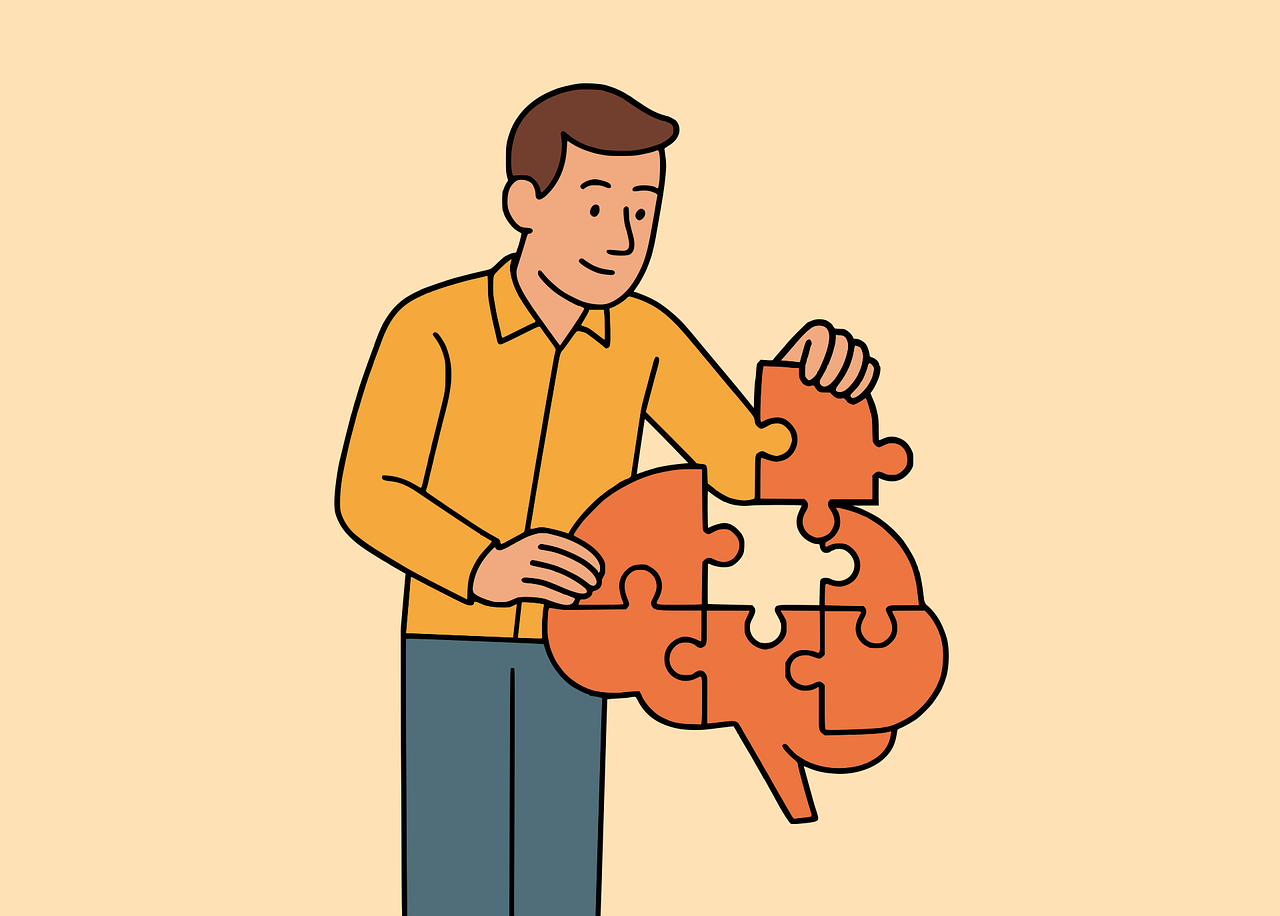
Understanding Mental Health: Managing Stress and Anxiety in Modern Times In today’s fast-paced world, mental health has become a crucial aspect of overall well-being. With the rise of digita.
Philippines blogsFocus on the diverse life in the Philippines, sharing real blogger perspectives and practical life guides
“Understanding Mental Health: Managing Stress and Anxiety in Modern Times”

Updated: March 17, 2026
Understanding Mental Health: Managing Stress and Anxiety in Modern Times
In today’s fast-paced world, mental health has become a crucial aspect of overall well-being. With the rise of digital technology, social media, and a rapidly changing environment, the modern individual often finds themselves battling stress and anxiety. Understanding mental health is no longer just a personal endeavor but a societal necessity. This article delves into the multifaceted nature of mental health, offering insights and strategies to manage stress and anxiety effectively.
The Growing Importance of Mental Health Awareness
The conversation around mental health has significantly evolved over the past few decades. Historically, mental health issues were often stigmatized, misunderstood, or outright ignored. However, as research and awareness have increased, there is a growing recognition that mental health is as critical as physical health. Organizations like the World Health Organization emphasize the importance of mental well-being as part of overall health.
Mental health affects how we think, feel, and act. It also impacts how we handle stress, relate to others, and make choices. With increased awareness, individuals are more encouraged to seek help and support, leading to better outcomes and a more supportive society.
Stress and Anxiety: Understanding the Basics
Stress and anxiety are often used interchangeably, but they are distinct experiences. Stress is a response to an external cause, such as a tight deadline at work or a challenging relationship. This response can be positive, known as eustress, or negative, known as distress. On the other hand, anxiety is a persistent feeling of apprehension or dread that doesn’t go away and may not have a clear cause.

Both stress and anxiety can have physical manifestations, including headaches, muscle tension, fatigue, and changes in sleep patterns. Understanding these conditions is the first step towards managing them effectively.
Strategies for Managing Stress
Managing stress effectively involves a combination of practical strategies and lifestyle changes. Here are some approaches that can help:
- Time Management: Prioritizing tasks, setting achievable goals, and breaking projects into smaller tasks can significantly reduce stress levels. Using tools like calendars and planners can help maintain organization.
- Physical Activity: Regular exercise is known to reduce stress hormones and increase endorphins, which can help improve mood. Activities such as walking, yoga, or even dancing can be beneficial.
- Relaxation Techniques: Techniques such as deep breathing, meditation, and mindfulness can reduce stress by promoting relaxation and improving focus.
- Social Support: Maintaining strong social connections can provide emotional support and help buffer against stress. Interacting with friends and family, or joining support groups can be invaluable.
Coping with Anxiety
While anxiety can feel overwhelming, there are several strategies that individuals can use to cope effectively:
- Professional Help: Consulting with a therapist or counselor can provide guidance and therapeutic strategies for managing anxiety. Cognitive-behavioral therapy (CBT) is one effective method.
- Healthy Lifestyle: A balanced diet, regular sleep patterns, and avoiding caffeine or alcohol can help manage anxiety levels. Nutritional choices impact mental health significantly.
- Mindfulness Practices: Engaging in mindfulness or meditation can help ground individuals in the present moment, reducing feelings of anxiety about the future.
- Challenging Negative Thoughts: Learning to identify and challenge negative or irrational thoughts can help decrease anxiety. Practicing positive self-talk is a valuable tool.

The Role of Technology
In modern times, technology plays a dual role in mental health. On the one hand, it offers platforms for mental health support, such as apps that provide guided meditations or connections to mental health professionals. On the other hand, excessive use of technology, particularly social media, may contribute to increased stress and anxiety.
It’s important to find a balance. Setting limits on screen time, curating a positive online environment, and using technology for productive and supportive activities can enhance mental well-being.
Resources like National Institute of Mental Health offer valuable information about the impact of technology on mental health and strategies for managing its effects.
The Impact of COVID-19 on Mental Health
The COVID-19 pandemic has brought unprecedented challenges to mental health globally. Increased isolation, uncertainty, and changes to daily life have amplified stress and anxiety for many individuals. The pandemic has highlighted the need for accessible mental health care and support systems.
During this time, it’s crucial to maintain social connections, whether virtually or in-person, and to seek professional help when needed. Organizations like Centers for Disease Control and Prevention provide resources for coping with stress related to the pandemic.

Conclusion: Cultivating a Resilient Mindset
While stress and anxiety are prevalent in modern times, understanding and managing them is within reach. By implementing practical strategies, seeking professional help when necessary, and leveraging technology wisely, individuals can cultivate a resilient mindset. Prioritizing mental health is not just beneficial at the individual level but is essential for a thriving society.
By fostering an environment that encourages open discussions about mental health and provides support, we can move towards a future where mental well-being is a universal priority. Through continued education and awareness, we can all play a part in building a healthier, more supportive world.
For further insights into mental health strategies, consider exploring resources from the U.S. Department of Health & Human Services, which offer comprehensive guides and support.
Building Mental Health Resilience in the Workplace
Workplaces are increasingly recognizing the importance of supporting employees’ mental health. A healthy work environment can significantly reduce stress and improve productivity. Here are some ways organizations can foster mental health resilience:
- Open Communication: Encouraging open discussions about mental health can reduce stigma and create a supportive atmosphere. Regular check-ins with employees can help identify stressors early.
- Flexible Work Options: Offering flexible work schedules or remote work options can help employees balance personal and professional responsibilities, reducing stress.
- Employee Assistance Programs (EAPs): Providing access to EAPs can offer employees resources and counseling services for managing stress and anxiety.
- Wellness Programs: Implementing wellness initiatives, such as yoga classes or mindfulness workshops, can promote physical and mental well-being among employees.

For more information on creating supportive work environments, visit the Mind Workplace Wellbeing Index.
The Role of Education in Mental Health Management
Education systems play a crucial role in promoting mental health awareness and resilience from a young age. Schools and universities can implement several strategies to support students’ mental health:
- Mental Health Curriculum: Integrating mental health education into school curriculums can equip students with the knowledge to understand and manage their feelings effectively.
- Access to Counseling Services: Providing students with access to mental health professionals can offer support and guidance, ensuring they have someone to turn to in times of need.
- Creating Safe Spaces: Schools can create safe, inclusive environments where students feel valued and heard, reducing anxiety and fostering a sense of belonging.
Educational institutions can find resources and support from organizations such as the National Association of School Psychologists, which provides tools for promoting mental health in educational settings.
Community Support and Mental Health

Communities play a vital role in supporting mental health by fostering environments where individuals feel connected and supported. Community initiatives can include:
- Support Groups: Community-run support groups provide a space for individuals to share experiences and coping strategies, helping normalize mental health discussions.
- Community Workshops: Hosting workshops on stress management, mindfulness, and other mental health topics can educate and empower community members.
- Volunteer Opportunities: Encouraging community members to engage in volunteer activities can enhance social connections and provide a sense of purpose, reducing feelings of isolation.
Local governments and non-profit organizations can drive these initiatives, creating a robust support network that promotes mental wellness for all community members.
Future Directions for Mental Health Support
As we look to the future, there are several promising directions for enhancing mental health support and management:
- Telehealth Services: The expansion of telehealth provides greater access to mental health services, especially for those in remote or underserved areas.
- Innovative Therapies: Advancements in therapies, including virtual reality and biofeedback, offer new ways to treat stress and anxiety effectively.
- Policy Changes: Continued advocacy for mental health policy changes can lead to improved funding and resources for mental health services, ensuring they are accessible to all.
- Research Advancements: Ongoing research into the biological and psychological aspects of mental health will continue to improve our understanding and treatment of these conditions.
By embracing these directions, we can hope for a future where mental health is prioritized, supported, and managed effectively, resulting in healthier individuals and communities.
In conclusion, understanding and managing mental health, particularly stress and anxiety, requires a multifaceted approach involving individuals, workplaces, educational institutions, communities, and policymakers. By working together and utilizing available resources, we can create a supportive environment that promotes mental well-being for all.